
Faults · Fault clinic
Water in an outdoor battery cabinet
Updated
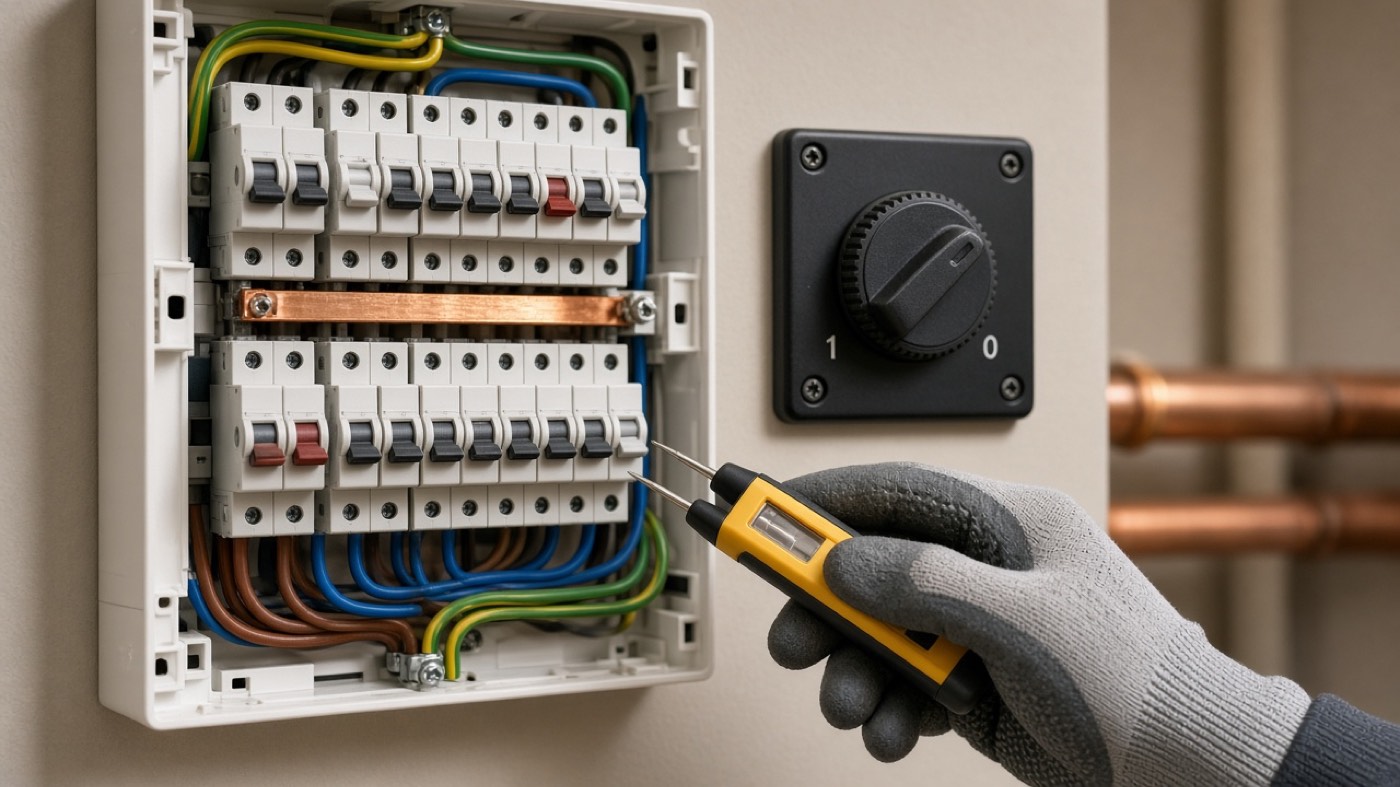
Outdoor-rated does not mean hosed, flooded or badly sealed after a cable entry was drilled in the wrong face. If water has entered, leave it isolated and call the installer.
Separate a fault from a setting
Do not dry it out with a fan and hope. The cable-entry photos from install day matter. The first suspects are a schedule, a reserve held for backup, or a CT clamp on the wrong cable. All three look like a dead battery.
Note the state of charge, the time, whether the grid is up, and any code. Do not start from "it doesn't work", and do not open DC isolators you were not shown.
Heat, cold and the cupboard
Many LFP packs refuse to charge in a hard frost and will still discharge. Lofts do the opposite in a heatwave. If the trouble tracks the weather, read the datasheet before you demand a new stack. A 8 kWh pack in the wrong cupboard is a siting fault, not a cell fault.
Take an 8 kWh pack, cycled about 300 times, at 90% round trip. Charge at 9.0p, and value what comes back at 28.4p. Export given up is priced at 8.0p. About 857 kWh a year of the charge is treated as spare solar from 2.5 kWp that might otherwise have been exported. Delivered energy is about 2160 kWh. After charging cost and lost export, the figure saves about £420 a year. Set that against £5,630 fitted, which is a September 2026 illustration at the temporary 0% residential rate, not a quote. That is a simple payback of about 13.4 years on these assumptions. Nudge the night rate up by 4p and see if you still like it.
Who you phone
Where the job is a qualifying install in a home, the 0% rate runs to 31 March 2027 and is due to become 5% after that. This figure prices the work at £5,630 on that basis. It does not apply to a shop, and it does not apply to a battery you buy and fit yourself.
I would not compare a £5,630 headline with another until usable kWh and the fate of any existing inverter match. Start with the installer on the certificate. A forum is not a warranty desk.
Before a deposit, I would want usable capacity, the warranty counterparty and a G99 note for this 5 kW inverter. The cupboard has to be a place you can stand in, at a temperature the datasheet allows. A five-minute video is not that.
Common questions
Is the price on this page a quote?
No. £5,630 is a September 2026 illustration for a 8 kWh example at the temporary 0% residential rate. Your survey replaces it.
Will it stay on in a power cut?
Only if a gateway or essential-load board was designed and paid for. A standard grid-tied battery turns off with the grid. On this 8 kWh example the inverter is 5 kW, and backup is still a separate line.
What paperwork should I keep?
Keep the MCS certificate where the job is certified, the electrical certificate, the DNO record, the schematic, the warranty registration and a photo of the schedule. For an illustrated £5,630 job, that folder is part of what you bought.
What if the cheap rate is not 7p?
Then the figure changes. This page used 9.0p as a charge rate and 28.4p as the rate avoided. A smaller gap means a worse payback. Read the live tariff.
Sources
Want a price for your house?
The figures above are a rough guide. An installer still needs to see your fuse board, where the battery will go, and whether you want power during a blackout.